
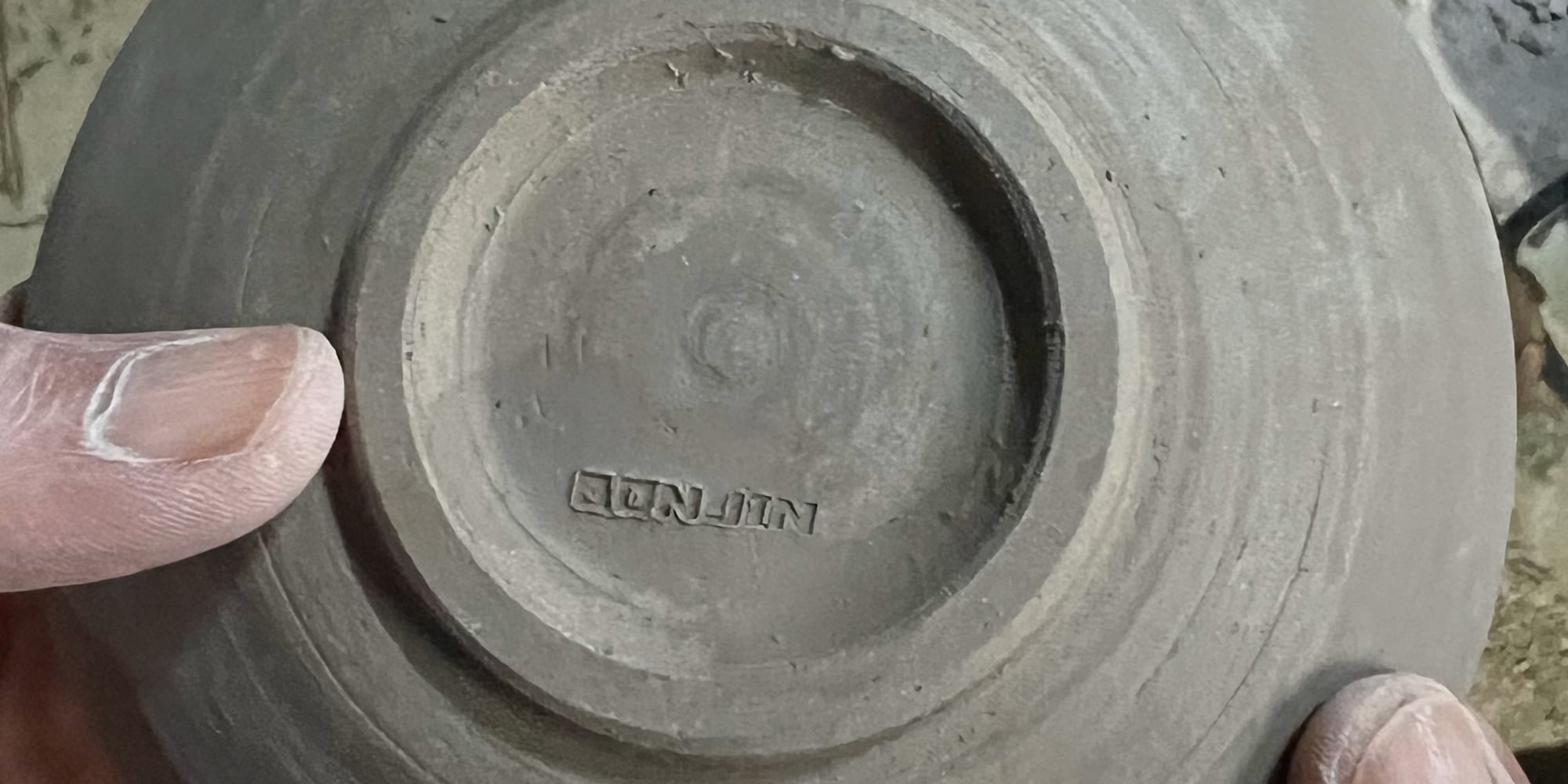
陶磁器の総称として「せともの」と言わしめるに至った瀬戸焼 ~Why SETO?~
日本で初めて本格的な陶器を焼いたのが瀬戸。約1000年ものあいだ途切れることなくやきものづくりを続けています。「せともの」が陶器の総称として使われることがあるのは瀬戸焼の長い歴史が関係しています。
また、瀬戸焼の一番の特徴は釉薬がかけてあることで、中世期で唯一、釉薬を施した陶器を生産していたのも瀬戸でした。
瀬戸の窯元をまわっていたとき、しばしば「身近なものとして日常で使って欲しい」という願いを聞きました。時の流れに柔軟に対応し、その時々で求められるものを作り続けてきたことも世間に広まった理由のように感じます。
我々もこの瀬戸の地で盆栽鉢づくりをしています。
「日々の生活で植物を楽しめる鉢をお届けしたい」BONJINの願いです。
Seto was the first place in Japan to produce authentic pottery. They have been making pottery for about 1,000 years without interruption. The fact that "Setomono" is sometimes used as a general term for ceramics is related to the long history of Seto-yaki.
In addition, the most distinctive feature of Seto-yaki is that it is glazed, and it was Seto that was the only one in the Middle Ages to produce glazed pottery.
When I was touring the kilns in Seto, I often heard their wishes that people use their Seto-yaki in everyday life as something familiar. I feel that the reason why it has spread to the world is that it has been able to flexibly respond to the flow of time and continue to create what is required at each moment.
We are also making bonsai pots in this Seto area. "Delivering BONSAI pots that allow you to enjoy plants in your daily life" is BONJIN's goal.
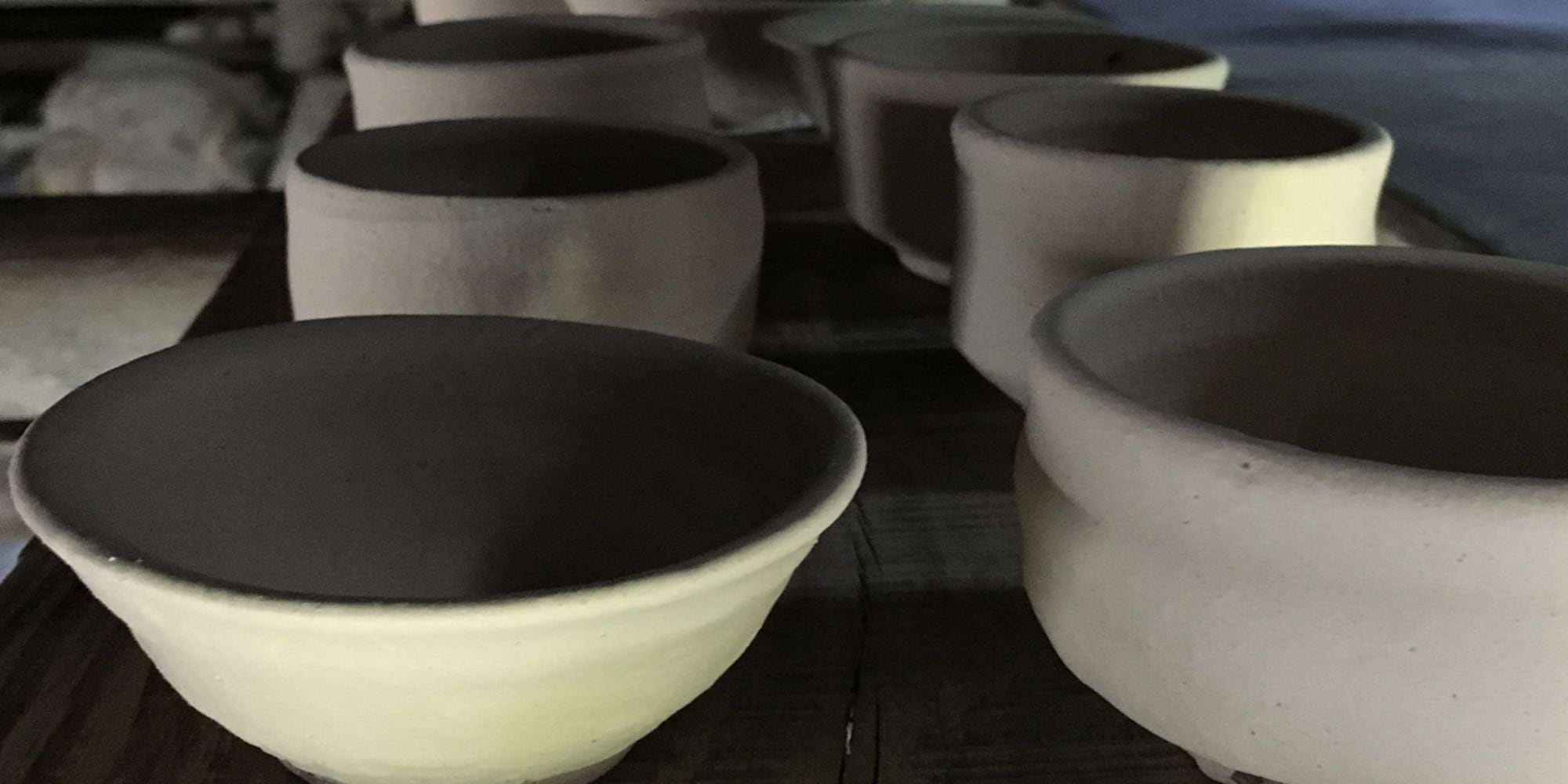
【土壌】
瀬戸の地盤は今から約200~1000万年前に堆積した「瀬戸層群」と呼ばれる砂礫と陶土の地層からなっており、陶土層には良質な粘土の原料が豊富に含まれています。
ここで採れる土は粘土の中に金属を殆ど含んでいないため、白い焼き物を作ることが可能です。
※日本における代表的な陶磁器の産地(越前、瀬戸、常滑、信楽、丹波、備前)のうち、白い土を使っているのは瀬戸だけです。
瀬戸では、この白い素地を活かし、様々な釉薬をかけて美しい器を作り続けてきました。
また、瀬戸層群にはガラスの原料となる珪砂をとることもできました。
瀬戸が1000年以上もの間、陶器の産地であり続けているのは土に恵まれていたからです。
【Soil】
The ground of Seto is composed of a layer of sand and clay called the "Seto Group" deposited about 200~10 million years ago, and the Seto Porcelain Clay Formation is rich in high-quality clay raw materials. The soil here contains almost no metal in the clay, so it is possible to make white pottery.
*Among the representative ceramics production areas in Japan (Echizen, Seto, Tokoname, Shigaraki, Tamba, and Bizen), Seto is the only one that uses white clay.
In Seto, we have continued to make beautiful ceramics by applying various glazes to make use of this white base. In addition, it was possible to get silica sand, which is the raw material for glass, in the Seto Layer. The reason why Seto has been a pottery production area for more than 1,000 years is because it was blessed with soil.
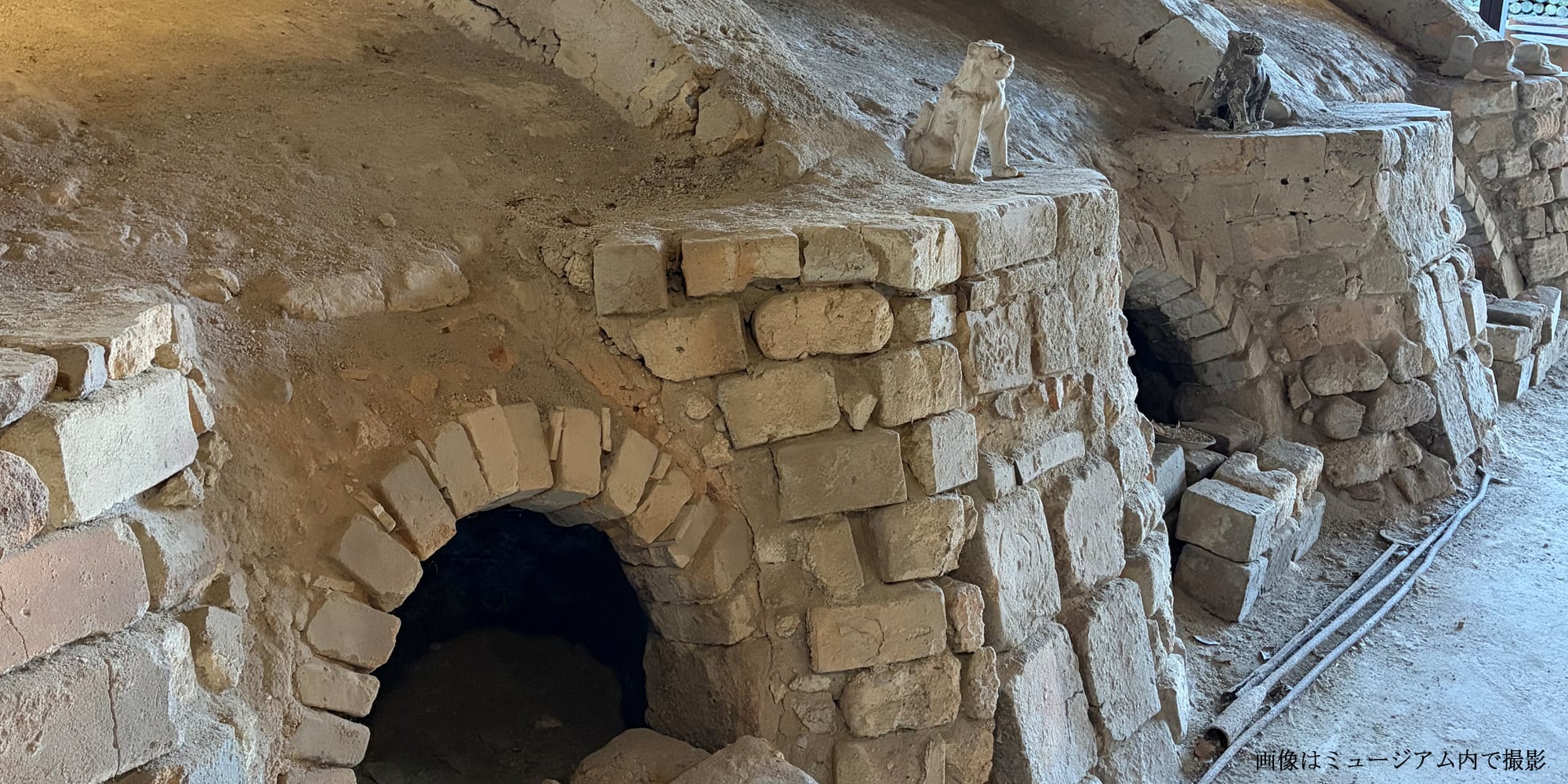
【地形】
丘陵に位置した瀬戸。その地形は登り窯にぴったりでした。
登り窯は焼成室が階段状に連なっており、炎と熱を下から上に移動させながら焼いていきます。桃山時代に朝鮮半島から日本に伝わり、江戸時代~昭和初期まで日本で広く使われていた窯で、陶器の生産が最盛期だった頃、瀬戸には13もの焼成室が連なる巨大な窯もありました。
【Terrain】
Seto is located on a hill. The terrain was perfect for climbing kilns. The climbing kiln has a staircase of firing chambers, and the flame and heat are moved from the bottom to the top. It was introduced to Japan from the Korean Peninsula during the Momoyama period and was widely used in Japan from the Edo period to the early Showa period, and when pottery production was at its peak, there was also a huge kiln in Seto with 13 chambers.
【自然】
「灰釉」という釉薬は、植物の灰を使用します。珪砂を豊富に含んだ瀬戸の土壌で育った植物にはケイ素が含まれています。ケイ素はガラスの主成分で、長石や灰類とともに融解・冷却されることで強度や光沢を生み出します。
また、山間地帯である瀬戸には、窯を焚く燃料となる松などの木が豊富にありました。
【Nature】
The glaze called "ash glaze" uses plant ash. Plants grown in Seto soil, which is rich in silica sand, contain silicon. Silicon is the main component of glass, and when it melts and cools with feldspar and ash, it creates strength and luster. In addition, Seto, a mountainous area, was rich in pine and other trees that served as fuel for firing kilns.